
Don't Edit (Not Yet, Not Even a Little)
Aug 30, 2026
Here's a scene that plays out in first drafts everywhere: A writer types a sentence, reads it back, winces, deletes it, and rewrites it three different ways before moving on to the next sentence—where the whole cycle starts again. An hour later, they've produced two polished paragraphs and a mountain of self-doubt.
If that sounds familiar, this tip is for you: When you're starting, your only job is to write. Nothing else. Not edit, not write perfectly, not judge. Just write.
I know the urge to clean things up as you go is strong. It feels responsible even. But editing while you draft is like trying to drive with one foot on the gas and one foot on the brake—you'll wear yourself out and go nowhere fast. Drafting and editing are two entirely different mental modes, and switching between them mid-sentence is exhausting in a way that convinces writers their story isn't worth telling. It is. It just isn't polished yet, and that's fine.
Give yourself full permission to write badly. Let sentences run on. Let words repeat. Let your grammar get a little loose. None of that matters right now, because right now you're not writing a finished book. You're getting your story out of your head and onto the page, where you can actually work with it later.
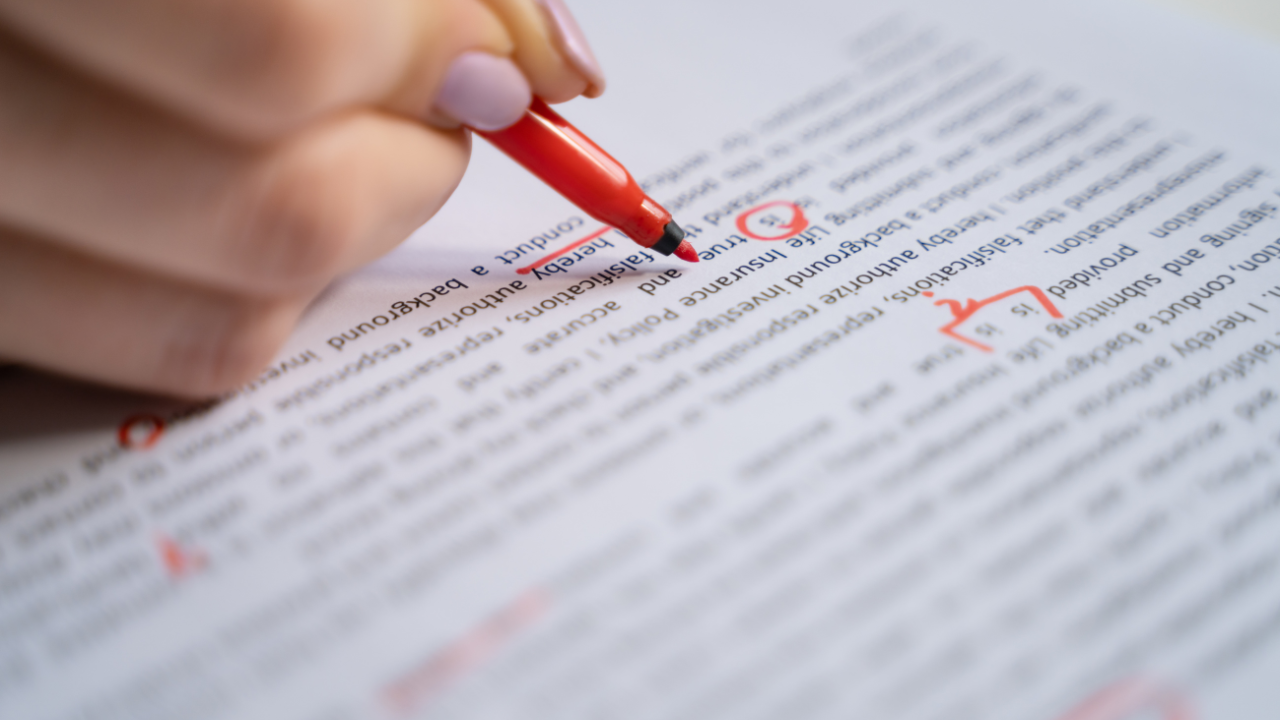
Editing will absolutely happen. It's an essential part of turning a memoir into something readers will love. But it comes after you have something to edit. You can't revise a blank page.
So the next time you catch yourself hovering over the backspace key mid-draft, stop. Remind yourself: this is not that stage yet. Keep going. Trust that the editing version of you will show up later, ready to do that work, and you'll be far more effective with a full draft in hand than a perfect paragraph and nothing else.
Want more tips to help you get your memoir started? Download my free guide, The Memoir Writing Quick-Start Guide.